
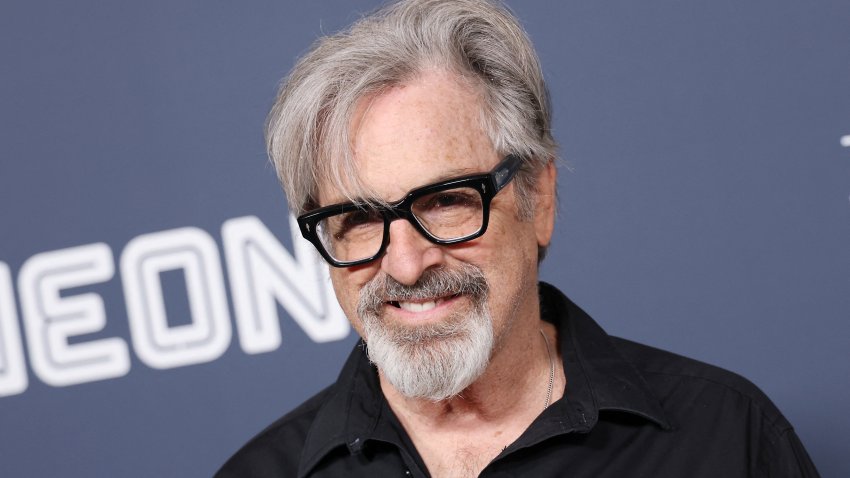
The actor's death occurred in Los Angeles, California, where he was born and resided. Carradine had been open about his mental health challenges, which spanned over 20 years.
What Happened to Robert Carradine
Carradine died by suicide on Monday, February 23, 2026. His family described it as the end of a "valiant struggle" with bipolar disorder, a condition he had managed for two decades.
Days before his death, Carradine failed to appear at a table read for an upcoming film project, according to the director. This absence raised concerns among colleagues, though no immediate connection to his passing was specified.
The Los Angeles County Medical Examiner's Office confirmed the cause of death as suicide, aligning with the family's statement.
When and Where Robert Carradine Died
The incident took place on February 23, 2026, in Los Angeles, California. Carradine was born in the same city on March 24, 1954, making him 71 at the time of his death.
His passing came amid ongoing mental health struggles, with no other contributing factors publicly detailed.
Who Was Involved in Robert Carradine's Life and Career
Carradine hailed from a prominent acting family. He was the son of actor John Carradine and actress Sonia Sorel, and the brother of actors Keith Carradine and the late David Carradine. His half-brother was actor Michael Bowen.
He leaves behind his daughters, actress Ever Carradine and Marika Reed Carradine, and son Ian Alexander Carradine. He was also the uncle of actress Martha Plimpton.
Co-stars and former colleagues, including Jamie Lee Curtis and Hilary Duff, were quick to respond. Curtis, who dated Carradine in the 1970s, referred to him as her "first love."
Duff, who played his on-screen daughter in "Lizzie McGuire," shared photos and a heartfelt tribute on social media.
Why Robert Carradine's Death Matters
Carradine's career spanned five decades, influencing comedy and family entertainment. His role in "Revenge of the Nerds" (1984) as the awkward yet triumphant nerd leader Lewis Skolnick became a cultural touchstone for 1980s pop culture, spawning sequels and inspiring generations.
In "Lizzie McGuire" (2001-2004), he portrayed the supportive father Sam McGuire, endearing him to younger audiences. His work highlighted themes of resilience and family bonds.
Beyond entertainment, his death underscores the ongoing crisis of mental health in Hollywood. Bipolar disorder affects millions, and Carradine's struggle brings attention to the need for better support systems. His family's statement aims to raise awareness, potentially reducing stigma around suicide and mental illness.
His passing also revives discussions on the "Revenge of the Nerds" legacy, including its portrayal of nerd culture amid modern sensitivities.
Robert Carradine's Essential Roles
Carradine's filmography included several standout performances.
- Lewis Skolnick in "Revenge of the Nerds" (1984 and sequels): The role that defined his career, portraying a college underdog fighting back against bullies.
- Sam McGuire in "Lizzie McGuire" (2001-2004): As Hilary Duff's TV dad, he brought warmth to the coming-of-age series.
- Slim in "The Long Riders" (1980): Playing alongside his brothers in this Western about the James-Younger Gang.
- Tracker in "The Big Red One" (1980): A World War II drama directed by Samuel Fuller.
- Bill Munson in "Coming Home" (1978): An early role in the Vietnam War-era film starring Jane Fonda and Jon Voight.
He also hosted "King of the Nerds" (2013-2015), embracing his iconic persona.
Tributes Pour In for Robert Carradine
Jamie Lee Curtis posted an emotional tribute, recalling their past relationship and calling his death "tragic." She shared memories of their time together in the 1970s.
Hilary Duff expressed grief on Instagram, posting photos and writing about his kindness on set.
Other co-stars from "Revenge of the Nerds" and industry figures echoed sentiments of loss. Social media platforms like X saw an outpouring of fan tributes.
What Happens Next After Robert Carradine's Death
The family has not announced funeral arrangements, but they expressed hope that his story will encourage conversations about bipolar disorder and suicide prevention.
Potential memorials or retrospectives may follow, including screenings of his films. Organizations like the National Alliance on Mental Illness could see increased support.
Speculation about unfinished projects, like the film where he missed the table read, remains unconfirmed. No official investigations beyond the medical examiner's report are expected.
Carradine's legacy in film and TV endures, with his roles continuing to resonate.



0 Comments