
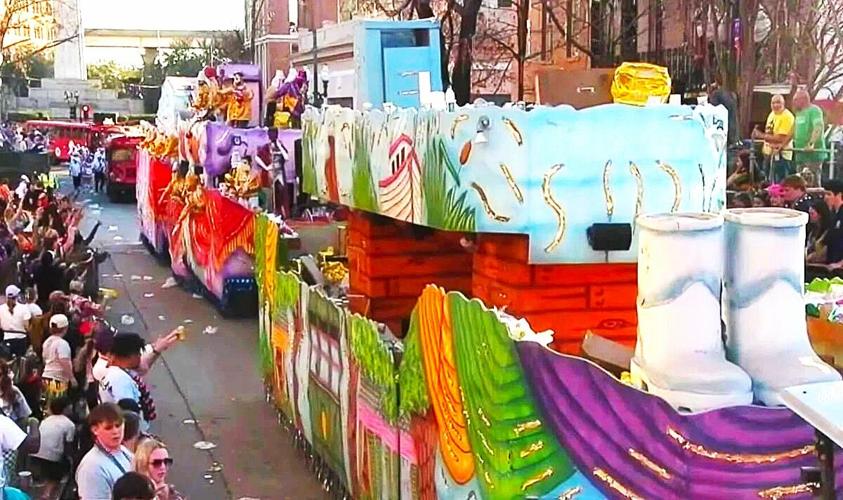
In New Orleans, major krewes roll out floats along traditional routes. Other locations, such as El Paso and Lake Charles, host local block parties and themed parades.
The event draws millions of participants and spectators annually. It highlights cultural traditions tied to pre-Lenten feasting.
What is Mardi Gras?
Mardi Gras translates from French as "Fat Tuesday." It refers to the practice of consuming rich foods before the fasting period of Lent begins.
The holiday has roots in Catholic traditions. It falls the day before Ash Wednesday, which starts the 40-day Lenten season leading to Easter.
Carnival season kicks off on January 6, known as Twelfth Night or Epiphany. Parades and balls build up to Fat Tuesday.
Mardi Gras 2026 Date and Timing
Fat Tuesday 2026 is set for February 17. The date varies each year based on Easter's timing, calculated from the first Sunday after the first full moon following the spring equinox.
Ash Wednesday follows on February 18. Easter Sunday lands on April 5 in 2026.
In many locations, festivities span the weekend before Fat Tuesday. Parades often start in the morning and continue into the evening.
Major Parades and Events in New Orleans
New Orleans hosts the largest Mardi Gras celebrations in the U.S. On February 17, 2026, key parades include the Zulu Social Aid and Pleasure Club at 8 a.m. along Jackson Avenue and St. Charles Avenue.
The Krewe of Rex follows at 10:30 a.m. on the same Uptown route. Truck parades like the Elks Orleans and Crescent City roll afterward.
Other notable events occur in the days leading up. The Krewe of Orpheus parades on February 16 at 6 p.m., featuring elaborate floats and celebrity guests.
The Krewe of Bacchus rolled on February 15 with themes honoring local icons. Crowds line St. Charles Avenue to catch throws like beads and doubloons.
Parade routes typically start in Uptown and move toward the French Quarter. Safety measures include barriers and increased police presence.
Environmental efforts are underway this year. Organizers aim to reduce plastic waste from beads, with recycling programs in place.
Celebrations in Other U.S. Locations
Mardi Gras extends beyond New Orleans. In El Paso, Texas, a downtown block party takes place on February 17 starting at noon.
Hosted at Church Bar on East Mills Avenue, the event includes live music, food trucks and bead tossing. No cover charge applies until 6 p.m.
In Lake Charles, Louisiana, Jeeps on Parade rolls at 2 p.m. The event, part of Southwest Louisiana Mardi Gras, features decorated Jeeps along Ryan Street.
The parade starts at the Lake Charles Event Center and ends at Sale Road. It follows the Iowa Chicken Run at 10 a.m. and precedes the Motor Gras Parade at 3 p.m.
Mobile, Alabama, claims the oldest Mardi Gras tradition in the U.S. Parades run from January 30 to February 17, with Fat Tuesday events including the Order of Myths at 6 p.m.
In Jefferson Parish near New Orleans, the Krewe of Argus parades at 11 a.m. on Veterans Memorial Boulevard. It features over 20 floats and marching bands.
Universal Orlando Resort hosts Mardi Gras: International Flavors of Carnaval from February 7 to April 4. The event includes parades, live music and global cuisine.
Who is Involved in Mardi Gras 2026?
Krewes, social organizations, organize parades and balls. In New Orleans, historic groups like Zulu and Rex lead the processions.
Participants include riders on floats who throw beads and trinkets. Spectators line streets, often in costumes.
Local governments manage logistics. Police departments handle crowds and traffic, as seen in Fairfax County's planned closures for a related event.
Nonprofits promote sustainability. In New Orleans, coalitions work to minimize trash, which can exceed 1,000 tons during Carnival.
Celebrities sometimes participate. Past guests have included actors and musicians as grand marshals.
Why Mardi Gras Matters
Mardi Gras preserves cultural heritage. It blends French, Spanish and African influences in music, food and customs.
The event boosts local economies. In New Orleans, it generates millions in tourism revenue through hotels, restaurants and vendors.
It fosters community spirit. Families and friends gather for traditions like king cake sharing and parade watching.
Mardi Gras promotes inclusivity. Modern celebrations emphasize diversity, with krewes open to broader membership.
Challenges include environmental impact. Efforts to use biodegradable beads address pollution concerns.
What Happens Next After Mardi Gras 2026
Ash Wednesday begins on February 18. Many observe it with church services and ash crosses on foreheads.
Lent lasts 40 days, ending on Easter Sunday, April 5. Participants often fast or give up luxuries.
Cleanup follows in celebration areas. Cities deploy crews to remove debris and restore streets.
Planning starts for future years. Mardi Gras 2027 falls on February 9, with dates shifting annually.
Some extend festivities. Events like St. Patrick's Day parades in March build on Carnival energy.



0 Comments